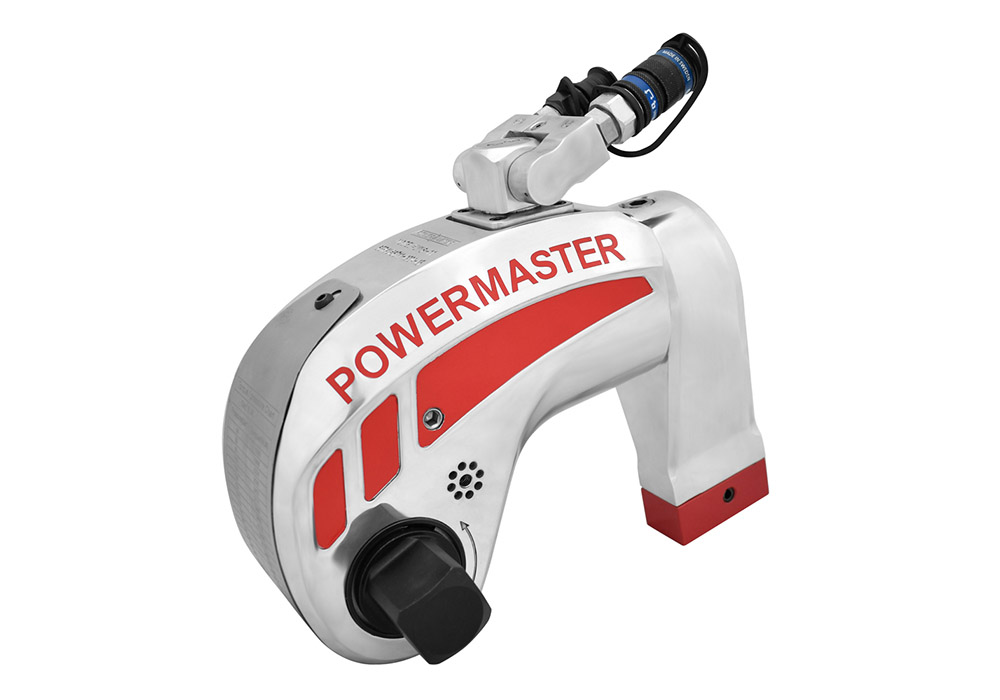
Industrial sites often deal with high pressure systems that demand absolute precision. Manual tools often fail to provide the consistency needed for heavy duty flanges. This is why many experts recommend upgrading your toolkit to include professional grade bolting equipment.
In this guide we will explore why modern tensioning and torquing methods are the standard for industrial safety.
Understanding The Role of Pressure in Flange Sealing
Flanges are the connection points in a piping system that hold everything together.
For a seal to be effective:
- The gasket must be compressed evenly across the entire surface.
- If one side of the flange is tighter than the other the gasket will eventually fail under pressure.
With a hydraulic torque wrench:
- Workers could apply the specific amount of force with total accuracy.
- This ensures that every bolt reaches the required load without overstretching the metal.
- A strong foundation is set for the rest of your maintenance routine.
The Limitations of Manual Tightening Methods
For many years workers used hammers and manual wrenches to tighten large bolts. While these tools are simple they are not very precise for critical joints. It is almost impossible for a human to apply the exact same amount of force to twenty different bolts by hand. This inconsistency leads to uneven loading which is a primary cause of flange failure in high heat or high pressure systems.
Using a hydraulic torque wrench removes the element of human error from the equation. The tool uses fluid pressure to deliver a consistent output every single time. This repeatability is something you simply cannot get with manual labor or impact guns.
Impacts of Direct Precision on The Safety
Enhanced Site Safety and Leak Prevention
A hydraulic torque wrench provides the controlled power needed to lock down heavy duty flanges. Now that the device is calibrated, you should not be worried if the nuts are tightened to the right tension.
Improved Efficiency and Reducing Downtime
A hydraulic torque wrench can tighten a bolt in seconds compared to the minutes it would take by hand. This speed allows your maintenance crew to finish their tasks ahead of schedule. Reducing the time spent on bolting means your plant can return to full production much sooner.
Long Term Cost Savings
However, the cost of a single flange failure can be much higher than the price of the equipment. If a leak occurs you have to deal with emergency repairs, lost product and potential legal issues. Investing in quality tools is essentially an insurance policy for your infrastructure.
By using a hydraulic torque wrench you extend the life of your bolts and gaskets.
The Importance of a Reliable Bolt Tensioner Pump
While torquing is a common method some critical applications require direct tensioning. This process involves stretching the bolt before the nut is tightened down. To do this effectively you need a high quality power source that can deliver immense pressure without failing. This is where specialized hydraulic power units become the backbone of your bolting operations.
A high performance bolt tensioner pump allows you to operate multiple tensioners at the same time. This ensures that the flange is pulled together perfectly evenly which is the best way to achieve a leak free seal.
Final Thoughts
Maintaining the flange is not easy, but with the proper technique and the appropriate tools, it can be done effortlessly. Using hydraulic tools, you will ensure that the safety of your workers is maintained and your industry is running efficiently. These tools offer the exact strength and accuracy required for the most difficult tasks in an industrial setting.
