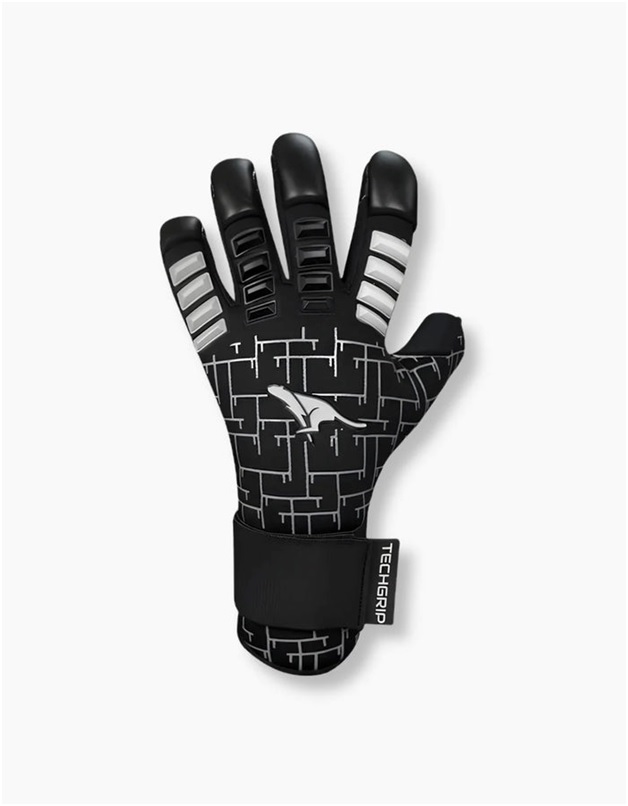
Choosing the right gloves can make a noticeable difference for a young goalkeeper. The gloves need to feel comfortable, provide suitable grip, and allow the player to move their hands naturally during training and matches.
Young players are still developing their technique, so equipment should support their progress rather than make the game more difficult. Parents and coaches can help by considering the player’s hand size, playing conditions, experience, and personal preferences before selecting a pair.
Why the Right Gloves Matter
A goalkeeper relies on their hands throughout a match. Catching shots, controlling crosses, blocking attempts, and pushing the ball away all require confidence and good hand positioning.
The gloves of goalkeeper players are therefore an important part of their equipment. A suitable pair can provide the grip and comfort needed for regular practice while also helping players feel more confident when facing shots.
The most expensive option is not necessarily the right choice. The important thing is finding gloves that suit the individual player.
Finding the Right Fit
Fit should be one of the first things to consider. Goalkeeper gloves should feel secure while leaving enough room for natural finger movement.
Gloves that are too large can make ball control difficult. Excess space around the fingertips may also reduce confidence when catching. On the other hand, gloves that are too small can restrict movement and become uncomfortable.
Checking hand measurements against the manufacturer’s sizing information can help parents and players make a better decision.
Grip and Ball Handling
Grip is an important feature for every goalkeeper. A reliable palm can help players catch and control the ball more confidently during different situations.
However, grip can be affected by several factors, including weather, ball condition, playing surface, and glove maintenance. Players should understand that glove performance may change depending on the environment.
Regular cleaning and proper storage can help maintain the condition of the palm. Following the care instructions provided with the gloves is a simple way to protect their performance.
Choosing Gloves for Younger Players
Young goalkeepers have different needs from experienced adult players. Their hands are still developing, and they may be learning basic techniques such as catching, positioning, diving, and distributing the ball.
The best junior goalkeeper gloves should provide a balance between fit, comfort, grip, and suitable protection. The gloves should also allow the player to move naturally while learning new skills.
Parents should consider how frequently the player trains and whether the gloves will be used mainly for practice, matches, or both.
Comfort During Training
Young players can spend many hours training throughout a season. If their gloves are uncomfortable, they may find it harder to concentrate on improving their skills.
A comfortable glove should feel secure around the wrist and allow the fingers to move without unnecessary restriction. Breathability and overall construction can also affect how the gloves feel during longer sessions.
Allowing young players to share their preferences can be helpful. A glove that feels good to the player may encourage more consistent use.
Considering Playing Conditions
Playing conditions can influence glove performance. Outdoor football may expose gloves to changing weather, while indoor training provides a different environment.
Players should think about where they normally play when selecting their equipment. Someone who regularly trains outdoors may have different requirements from a player who mainly practises indoors.
The type of football being played can also influence the choice. Training gloves may need to withstand frequent use, while match gloves may be selected with a greater focus on grip and feel.
Protection and Flexibility
Protection is another consideration when choosing goalkeeper gloves. Young players may benefit from designs that offer additional support, depending on their age and playing needs.
At the same time, flexibility is important because goalkeepers need to move their fingers and hands naturally. Too much restriction may affect technique.
Finding the right balance between support and freedom of movement can help young players feel more comfortable while developing their skills.
Taking Care of Goalkeeper Gloves
Proper care can help gloves last longer. Dirt and moisture can affect the condition of the palm and other parts of the glove if they are not managed properly.
Players should clean their gloves according to the manufacturer’s instructions and allow them to dry correctly after use. They should also avoid storing wet gloves in enclosed spaces for extended periods.
Good care habits can be taught from an early age and can help young goalkeepers get better value from their equipment.
Helping Young Players Choose With Confidence
There is no single pair of gloves that is perfect for every goalkeeper. Hand size, playing style, experience, training frequency, and personal comfort all matter.
When comparing the best junior goalkeeper gloves, parents and coaches should focus on the player’s actual needs rather than simply choosing based on appearance.
The gloves of goalkeeper players should support their development and allow them to concentrate on learning the position. With a suitable fit, reliable grip, comfortable design, and proper care, young goalkeepers can enjoy their training while continuing to build confidence between the posts.
