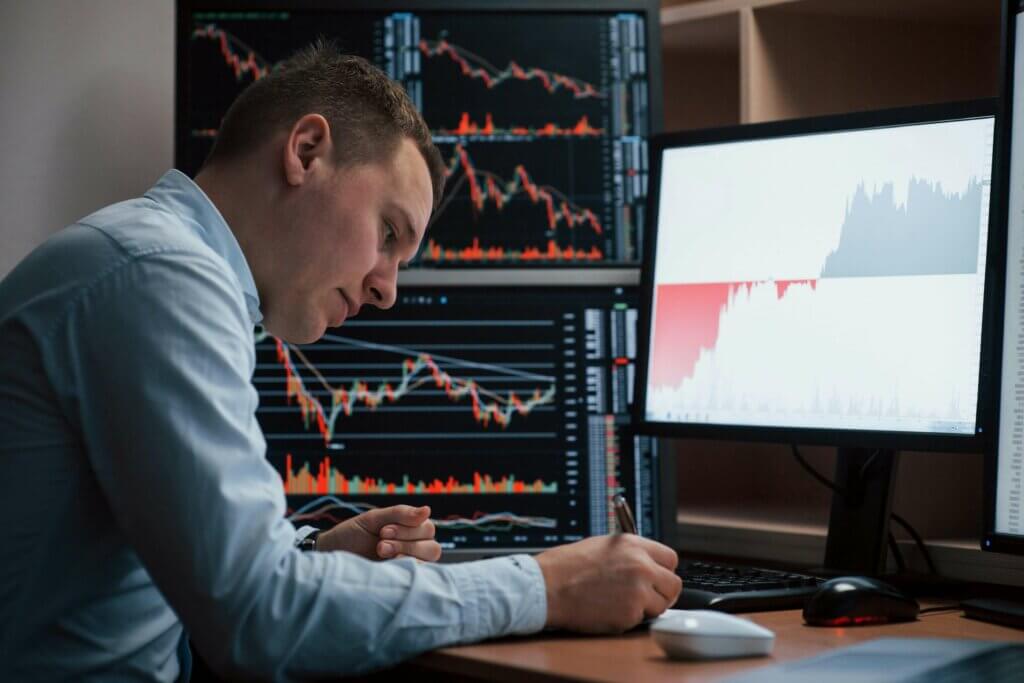
Many beginners imagine overtrading as something obvious. They picture someone opening dozens of positions in a short period, clicking rapidly between charts, and entering trades every few minutes. While that can happen, overtrading often looks much quieter than people expect.
Sometimes it starts with good intentions.
A trader sits down believing they are being productive. They want to stay active, keep learning, and avoid missing opportunities. The market is moving, charts are changing, and it feels natural to think that more participation should create more progress.
Then, without noticing it immediately, activity slowly starts becoming something different.
For many people involved in forex trading, overtrading is not always about trading too much. Sometimes it becomes a habit of reacting too often.
A Day That Starts With One Idea
Imagine a trader beginning the morning with a simple plan.
The goal is to review markets carefully and wait for specific conditions before making any decisions. The process feels organised at first.
Then something changes.
A currency pair suddenly starts moving.
The trader watches it for several minutes and thinks there may be an opportunity.
After that, another market becomes active.
Then another chart catches attention.
By the middle of the session, the original plan slowly begins disappearing.
The trader may still believe they are following the market carefully, but attention has shifted from following a process to following movement itself.
This is often where overtrading quietly begins.
The Feeling of Missing Out Can Create Pressure
One reason overtrading becomes common is because markets create the impression that opportunities never stop appearing.
A trader sees prices moving and begins thinking:
What if I miss something?
What if another trade appears?
What if I should enter now instead of waiting?
The market can create a feeling that action always needs to happen.
For people involved in forex trading, this pressure can slowly influence behaviour because doing something often feels more productive than doing nothing.
The challenge is that market activity and useful opportunities are not always the same thing.
More Decisions Can Create More Problems
People often assume that increasing activity naturally increases learning and experience.
In practice, more activity can also create more emotional pressure.
More trades can mean:
- More decisions to make
- More emotional reactions
- More chances to ignore a plan
- More distractions from larger market conditions
- More difficulty reviewing performance clearly
When many decisions happen close together, traders can sometimes begin reacting emotionally rather than following a structured approach.
That change may happen gradually enough that it goes unnoticed.
Experienced Traders Often Become More Selective
One interesting shift many traders experience over time is that they stop believing they need to participate in everything happening on the screen.
Beginners frequently think successful traders must constantly stay active.
Experienced traders often behave differently.
They may spend long periods observing rather than acting. They may ignore movement that does not fit their process, and they often become comfortable waiting for situations that match their approach.
The market itself may remain active, but their reactions become calmer. For many people involved in forex trading, overtrading eventually becomes less about counting the number of trades and more about understanding behaviour. The issue is not always the amount of activity itself. Sometimes it is whether activity is coming from a structured process or from the feeling that something always needs to happen.
