Travel is changing. Fast. The days of cramming 10 countries into two weeks are over. The era of posing at overcrowded tourist monuments for Instagram is fading.
Instead, travelers in 2026 are making a radical shift. They’re choosing depth over distance. Quality over quantity. Presence over performance. Here’s what this means and where people are actually going.
The Travel Revolution: What’s Changing in 2026
Travel statistics reveal something startling. Wellness travel bookings jumped 76% in 2025. Slow travel searches increased 142%. Hidden destination searches surged 89%.
What’s driving this? People are exhausted. They’re burned out. They want travel that heals, not just travel that fills their passport.
The traditional vacation model—fly, rush, see, repeat—is dying. Travelers now want transformation. They want genuine connection. They want to feel something different when they return home.
This isn’t just a trend. It’s a fundamental reset in what people value when they leave home.
Trend 1: Slow Travel Is Replacing the Bucket List Rush
Slow travel means spending weeks or months in one place. It means actually knowing the local coffee shop owner. It means learning the rhythm of a city instead of checking boxes.
Instead of visiting 5 countries in 10 days, travelers are now spending 3 weeks in one region. They’re renting apartments instead of booking hotels. They’re cooking meals instead of eating at tourist restaurants.
Why? Because slow travel creates actual memories. You experience culture, not just see it. You form real connections instead of superficial encounters. You return home changed, not just tired.
Companies like Airbnb and local tourism boards are capitalizing on this shift. Long-term stays are now their fastest-growing segment. Hotels that cater to slow travelers—offering monthly rates, kitchen access, local experiences—are thriving.
Trend 2: Wellness Retreats Becoming Mainstream Travel
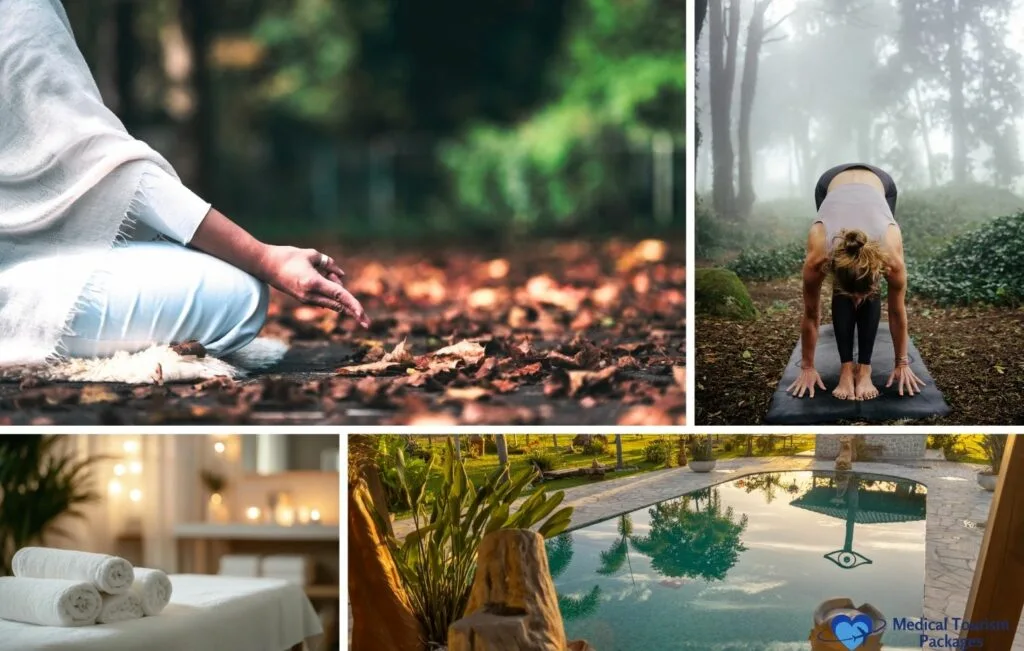
Wellness retreats used to be niche. Only for spiritual seekers or health obsessives. Now they’re mainstream. Yoga retreats, meditation centers, and holistic wellness destinations are booked solid months in advance.
People aren’t just vacationing anymore. They’re healing. They’re detoxing. They’re investing in their mental and emotional health alongside physical rest.
When you practice yoga teacher training in Rishikesh India, you see this firsthand. International students arrive stressed, disconnected, burned out. After weeks of yoga, meditation, and conscious living, they leave transformed.
This transformation is what wellness travelers seek. They want to return home not just rested, but actually healed. The wellness travel industry is now worth $639 billion globally and growing 9% annually.
Trend 3: Hidden Destinations Over Instagram-Famous Spots
Everyone’s tired of the same photos from the same places. Bali is crowded. Santorini is overrun. Paris is packed.
Instead, travelers are hunting for hidden gems. Small villages. Lesser-known regions. Places that haven’t been colonized by Instagram tourism yet. Places that feel authentic because they haven’t been engineered for tourists.
Search data shows that “hidden destinations” and “offbeat travel” are now outpacing searches for famous landmarks. Travelers want discovery, not imitation. They want stories about places nobody’s heard of, not retelling the same famous narrative.
This creates a paradox—the moment a hidden destination gets discovered, it becomes crowded. Smart travelers are now using local guides and off-season travel to find genuine experiences before the crowds arrive.
Why People Are Making This Shift
Burnout is the real driver. People are exhausted by hustle culture. By always being “on.” By measuring their lives through social media likes. Travel used to be an escape from normal life. Now normal life has become so stressful that people need travel to actually recover.
There’s also a sustainability awakening. Flying every month isn’t sustainable. Staying longer in fewer places reduces carbon footprint. Choosing local businesses over hotel chains supports communities.
And there’s authenticity hunger. People crave real experiences, real connections, real transformation. Instagram tourism—visiting places just for the photo—feels empty now.
Wellness travel addresses all three needs simultaneously. It’s healing. It’s sustainable. It’s authentic.
Where Travelers Are Actually Going in 2026
Rishikesh, India remains the wellness capital. Yoga and meditation students from 100+ countries arrive weekly. The city has transformed from a spiritual destination into a complete wellness ecosystem.
Bali’s wellness scene continues thriving, but travelers are now spreading to lesser-known Indonesian islands. Costa Rica’s wellness retreats are booming. Portugal’s Algarve region is becoming the European wellness hub.
But here’s the pattern: travelers aren’t just choosing destinations. They’re choosing experiences and transformation. Whether it’s yoga teacher training or ayurvedic wellness retreat or pranayama and meditation courses intensives, the focus is on what happens internally, not externally.
Solo travel is also surging. Women traveling alone represent 45% of wellness retreat attendees. This shift toward independent, self-directed travel is reshaping the entire industry.
The Future of Travel Is Here
This shift isn’t temporary. It’s structural. People have tasted what real restoration feels like, and they’re not going back to exhausting tourism.
The travel industry is adapting. Hotels are adding wellness programs. Airlines are creating wellness cabins. Tourism boards are promoting slow travel. The entire ecosystem is shifting toward health-centered travel.
If you’re feeling burned out, disconnected, or like your life needs fundamental reset, travel in 2026 offers something different. It offers actual transformation, not just distraction.
The question isn’t where should you go. The question is who do you want to become? Once you answer that, the destination becomes clear.
FAQs: Common Questions About 2026 Travel Trends
Q: Is wellness travel expensive?
A: Not necessarily. Yoga retreats in Rishikesh cost $500-1,500 for a week. Slow travel in Southeast Asia is actually cheaper than quick tourism because you’re spending less on transportation and eating local.
Q: How long should I slow travel?
A: Start with 2-3 weeks in one place. This gives you time to adjust, meet locals, and actually experience the rhythm of a location. Many travelers extend to 4-8 weeks once they experience the benefits.
Q: Is wellness travel just yoga?
A: No. Wellness travel includes meditation retreats, ayurvedic treatments, sound healing, breathwork intensives, nature immersion, and holistic healing of all kinds. Yoga is one component.
Q: Can I slow travel with a full-time job?
A: Yes. Many people use sabbaticals, work remotely, or combine vacation days. Digital nomad visas are making this easier. Some companies now offer paid sabbaticals for employee wellness.
Q: What’s the difference between wellness travel and vacation?
A: Vacation is escape. Wellness travel is transformation. You’re not just resting—you’re actively working on your physical, mental, emotional, and spiritual health.
