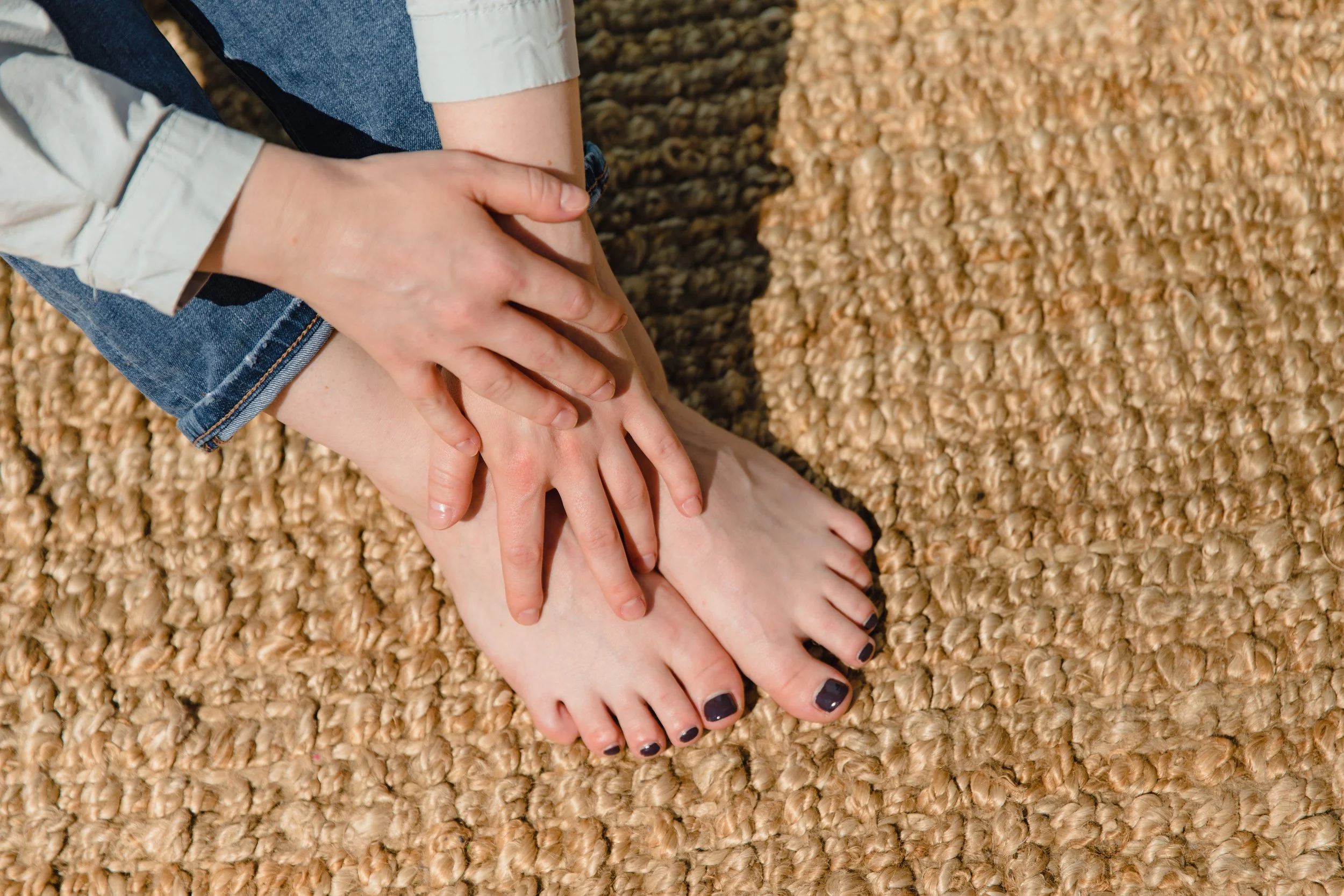
Seagrass carpets tend to fly under the radar, but they solve a very real problemhow to keep floors looking clean without constant effort. In homes where dust, sand, and daily activity are part of life, that matters more than most people admit.
Made from natural fibres grown in water-rich environments, seagrass has a smooth, slightly waxy surface. That one characteristic changes how it behaves compared to other natural materials. It doesn’t absorb much, it doesn’t cling to dirt easily, and it holds its shape under pressure.
For many Australian households, that combination works.
Why Seagrass Handles Everyday Living Well
Let’s get straight to it. Floors get dirty. Whether it’s fine dust from dry weather, sand from coastal areas, or general foot traffic, most surfaces need regular cleaning to stay presentable.
Seagrass carpets reduce that burden.
Because the fibres are non-porous:
- Dirt tends to sit on the surface rather than embedding
- Spills don’t soak in immediately
- Cleaning becomes quicker and more predictable
This doesn’t make the flooring maintenance-free, but it does make it easier to manage. A regular vacuum or sweep usually handles most of what builds up.
In homes where time is limited and cleaning needs to be efficient, that’s a practical advantage.
Built for Movement and Wear
Seagrass carpets are not soft, but they are durable. The fibres are tightly woven and naturally strong, which allows them to handle consistent foot traffic without losing structure.
They work well in:
- Living rooms used daily
- Hallways connecting busy areas
- Dining spaces with frequent movement
Unlike softer carpets that show wear paths over time, seagrass tends to maintain a more uniform appearance.
That makes it suitable for open-plan homes, which are common across Australia. When large areas are connected, consistency in flooring becomes important.
A Look That Fits the Australian Style
Visually, seagrass carpets bring a clean, natural look that aligns with how many Australian homes are designed.
The colour palette usually sits within:
- Light greens that fade into neutral tones
- Soft, earthy shades
- Subtle variations that add depth without contrast
Over time, exposure to sunlight softens the colour, giving it a more muted, relaxed appearance.
This natural ageing process works well in interiors that aren’t trying to stay perfectly uniform.
Seagrass pairs easily with:
- Timber furniture
- Stone and tile surfaces
- Neutral fabrics and finishes
It supports the space rather than competing with it.
Comfort: What to Expect
Seagrass carpets are firm underfoot. They don’t provide cushioning like wool or jute, and that’s something to consider before installation.
For walking areas, the firmness can actually feel stable and supportive. The smooth surface is also more comfortable than coarser fibres like coir.
However, for spaces where softness is a prioritysuch as bedrooms or lounging areasseagrass may not be the best standalone option.
In those cases, layering becomes useful. Adding rugs in specific zones can introduce comfort without changing the base flooring.
Performance in Australian Climate Conditions
One of the reasons seagrass carpets work well in Australia is their response to humidity.
The natural waxy coating on the fibres helps them:
- Resist moisture absorption
- Maintain shape in humid conditions
- Reduce the risk of mould compared to more absorbent materials
This makes them particularly suitable for:
- Coastal homes
- Regions with higher humidity levels
- Spaces with good airflow
That said, they’re not designed for direct exposure to water. Bathrooms, laundries, and areas with frequent spills are still not ideal.
In the right environment, though, they perform consistently.
Maintenance That Stays Manageable
Seagrass carpets are often chosen for their low-maintenance nature, but like any flooring, they still need basic care.
Regular upkeep includes:
- Vacuuming or sweeping to remove surface dirt
- Spot cleaning when needed
- Keeping the area dry and ventilated
Because dirt doesn’t sink deeply into the fibres, cleaning tends to be quicker compared to plush carpets.
Spills should still be addressed promptly. Even though the material resists absorption, leaving liquids unattended can lead to marking over time.
The overall approach is simpleregular, light maintenance rather than heavy, infrequent cleaning.
Sustainability and Material Value
Seagrass is a natural and renewable material, which appeals to homeowners looking for alternatives to synthetic flooring.
It offers:
- A biodegradable fibre base
- Growth in natural wetland environments
- Minimal chemical processing
While sustainability depends on sourcing and production, the material itself aligns with a more natural approach to interiors.
For many households, this is an added benefit rather than the main reason for choosing it.
Where Seagrass Carpets Work Best
Seagrass carpets are most effective in spaces where durability and low maintenance are priorities.
They’re well-suited for:
- Living areas with regular use
- Hallways and connecting spaces
- Dining rooms
- Coastal or humid environments
They’re less suited for:
- Bedrooms requiring softness
- Areas with heavy moisture exposure
- Spaces where a plush feel is expected
Using them in the right context ensures they perform well and last longer.
A Flooring Choice That Supports Everyday Life
Seagrass carpets don’t aim to be luxurious or attention-grabbing. What they offer is consistency.
They handle:
- Daily movement
- Light spills
- Ongoing wear
Without needing constant attention.
For Australian homes that prioritise function, ease of maintenance, and a natural look, seagrass carpets provide a straightforward solution.
They sit quietly in the background, doing exactly what they’re meant to dosupporting the way a home is used, day after day.
Author: Floorspace shares practical, experience-driven insights to help homeowners choose suitable flooring solutions.
