Threaded components are fundamental to almost every mechanical product, from automobiles and construction equipment to household appliances and electronics. The reliability of these components depends greatly on how the threads are produced. Among various methods, cold forming with flat thread rolling dies has become the most preferred technology for high-volume and high-strength fasteners.
The performance of this process, however, is directly linked to the quality of the dies. For this reason, selecting experienced flat thread rolling dies manufacturers is a strategic decision for any company involved in fastener or precision component production.
What Are Flat Thread Rolling Dies?
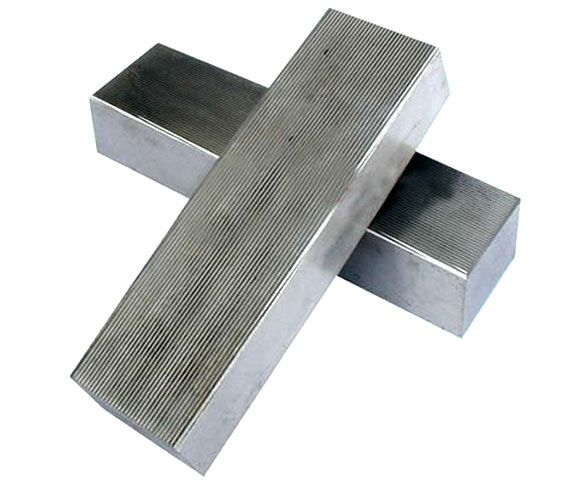
Flat thread rolling dies are hardened, precisely ground tool steel plates used on two-die thread rolling machines. During operation, a cylindrical blank is pressed between the moving and stationary dies, and the thread profile is formed by plastic deformation rather than by cutting.
This method creates threads with:
- Superior surface finish
- Higher tensile and fatigue strength
- Accurate pitch and angle
- Excellent repeatability
- No material wastage
Because the material fibers flow along the thread contour, rolled threads are significantly stronger than cut threads, making them ideal for safety-critical applications.
Why Manufacturers Prefer the Rolling Process
Compared with conventional tapping or chasing, the use of flat thread rolling dies offers multiple advantages:
- High Productivity – Thousands of parts per hour are possible.
- Consistent Quality – Minimal variation between pieces.
- Improved Mechanical Properties – Work hardening increases strength.
- Economical Production – No chips, less material consumption.
- Long Tool Life – Properly made dies run for millions of pieces.
These benefits explain why industries worldwide rely on professional flat thread rolling dies manufacturers for their tooling needs.
How Quality Dies Are Produced
Manufacturing a reliable die is a sophisticated process requiring deep technical knowledge. Leading flat thread rolling dies manufacturers follow several critical steps:
- Selection of premium alloy tool steel
- Precision CNC profile grinding
- Controlled heat treatment for uniform hardness
- Stress relieving to avoid distortion
- Application of wear-resistant coatings
- Final inspection of pitch, angle, and lead
Any weakness in these stages can result in poor thread quality or short die life.
Applications Across Industries
Flat thread rolling dies are used to produce a wide range of components:
- Automotive bolts, screws, and studs
- Construction fasteners and anchors
- Electrical connectors and terminals
- Agricultural machinery parts
- General engineering hardware
Each application may require different thread standards such as Metric, UNC, UNF, BSW, or special profiles. Experienced manufacturers provide dies for all these requirements.
What to Expect from Flat Thread Rolling Dies Manufacturers
A professional supplier offers much more than a physical product. Buyers should look for:
- Capability to design dies from component drawings
- Knowledge of material flow and blank preparation
- Guidance on machine setup and lubrication
- Regrinding and refurbishment services
- Consistent delivery and traceability
The solutions highlighted on sstools.net/flat-thread-rolling-dies/ reflect this comprehensive approach to customer support.
Factors Affecting Die Performance
Several elements determine how well flat thread rolling dies perform in production:
- Accuracy of the ground profile
- Hardness and microstructure
- Surface coating type
- Alignment of the rolling machine
- Quality of the blanks being rolled
Collaboration between user and flat thread rolling dies manufacturers ensures that all these aspects are optimized.
Evaluating Total Cost
While purchase price is important, the real economy of flat thread rolling dies should be measured by:
- Number of components per die life
- Rejection and rework rates
- Machine downtime
- Frequency of regrinding
- Quality level of finished threads
High-quality dies often deliver the lowest cost per thousand pieces even if the initial price is higher.
Maintenance and Regrinding
Proper maintenance significantly extends die life. Reputable flat thread rolling dies manufacturers provide:
- Professional inspection after wear
- Precision regrinding of profile
- Re-coating services
- Technical advice for improved life
With correct care, a single pair of dies can serve through multiple production cycles.
Trends in the Industry
The fastener sector is moving toward higher strength materials and tighter tolerances. To meet these demands, modern manufacturers are adopting:
- Advanced PM tool steels
- Low-friction PVD coatings
- Micro-geometry optimization
- Digital quality control systems
- Customized designs for special threads
These developments allow producers to roll threads on challenging materials such as alloy steels and stainless grades.
Choosing the Right Partner
Selecting flat thread rolling dies manufacturers should be based on long-term capability rather than short-term price. A dependable partner helps with:
- Feasibility of new thread designs
- Prototype development
- Troubleshooting production issues
- Training for operators
Such cooperation turns tooling into a competitive advantage.
Conclusion
Flat thread rolling dies are at the heart of efficient and strong thread production. Their quality determines not only the accuracy of the fastener but also the productivity of the entire manufacturing line. Working with knowledgeable flat thread rolling dies manufacturers ensures reliable performance, longer tool life, and lower overall costs.
By sourcing tooling from specialists like those presented on sstools.net/flat-thread-rolling-dies/, companies gain access to proven technology and expert support—essential ingredients for success in today’s demanding fastener market.
