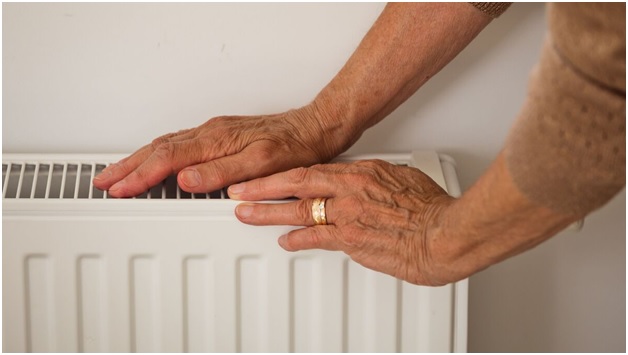
A warm, evenly heated home is not just about comfort—it’s about efficiency, cost control, and smart energy use. Yet many homeowners notice cold spots, uneven warmth, or rooms that never quite reach the desired temperature. The reason often lies in how heat is distributed rather than how much heat is produced.
Understanding the science behind radiator heat distribution allows you to make practical adjustments that improve performance without major upgrades. From airflow patterns to radiator placement, small changes can significantly enhance how heat travels through your space.
Below are the key factors that influence radiator heat distribution—and how to optimise each one effectively.
1. Convection vs Radiation: The Core Heating Mechanisms
Radiators work through a combination of convection and radiation. Convection involves warming the air, which rises and circulates around the room, while radiation transfers heat directly to objects and surfaces.
Most modern radiators rely heavily on convection. This means that airflow around the radiator is essential. If airflow is restricted, warm air cannot circulate properly, leading to uneven heating.
To maximise efficiency, ensure that radiators have enough space around them for air to move freely. Avoid placing large furniture directly in front, as it can block the natural flow of heat.
2. The Impact of Radiator Placement on Heat Flow
Where you position your radiator plays a crucial role in how heat spreads. Traditionally, radiators are installed under windows. This is not random—it helps counteract cold air entering through the glass.
When cold air drops near a window, the radiator heats it immediately, creating a balanced airflow across the room. This reduces draughts and prevents cold spots.
If your radiator is placed incorrectly—such as behind furniture or in a corner—the heat may remain trapped in one area. Repositioning or clearing space around it can instantly improve performance.
3. Airflow Obstruction: The Hidden Efficiency Killer
Blocked airflow is one of the most common reasons for poor heat distribution. Curtains, sofas, and decorative covers can all interfere with heat movement.
If you’re wondering how to improve a radiators heat distribution, start by checking for obstructions. Even partially covering a radiator can reduce its efficiency significantly.
Ideally, keep at least a few inches of clearance around the radiator. This allows warm air to rise and circulate properly, ensuring consistent temperatures throughout the room.
4. The Role of Reflective Surfaces and Heat Loss Prevention
A significant portion of heat can be lost through external walls. When a radiator is mounted on such a wall, some heat escapes outside instead of warming the room.
Using reflective radiator panels behind the unit can help redirect heat back into the room. These panels are inexpensive and easy to install, yet they can noticeably improve efficiency.
This simple adjustment ensures that more of the generated heat stays inside, contributing to better distribution and reduced energy waste.
5. Balancing Your Radiator System for Even Heating
In homes with multiple radiators, imbalance in the system can cause uneven heat distribution. Some radiators may heat up quickly, while others remain lukewarm.
Balancing involves adjusting the flow of hot water so that each radiator receives the right amount. This ensures that all rooms heat evenly.
A properly balanced system not only improves comfort but also reduces strain on your boiler, leading to better long-term performance and energy savings.
6. Bleeding Radiators: Removing Trapped Air
Air trapped inside a radiator prevents hot water from filling the entire unit. This results in cold spots, typically at the top.
Bleeding a radiator releases this trapped air, allowing hot water to circulate fully. It’s a simple maintenance task that can make a noticeable difference.
Regularly checking and bleeding radiators—especially before winter—helps maintain consistent heat output and prevents inefficiencies.
7. Thermostatic Radiator Valves (TRVs) for Precision Control
Thermostatic Radiator Valves allow you to control the temperature of individual radiators. This means you can adjust heat levels room by room.
For example, bedrooms may require less heat than living areas. By fine-tuning each radiator, you improve overall distribution and avoid overheating certain spaces.
TRVs also contribute to energy efficiency by reducing unnecessary heating, which can lower your energy bills over time.
8. Room Insulation and Its Direct Effect on Heat Distribution
Even the best radiator setup cannot compensate for poor insulation. Heat escapes quickly through walls, windows, and ceilings if they are not properly insulated.
Improving insulation ensures that heat remains within the room, allowing it to distribute evenly. Double glazing, loft insulation, and draught-proofing are all effective solutions.
A well-insulated space enhances radiator performance and creates a more stable indoor temperature.
Conclusion
Radiator heat distribution is influenced by a combination of physics, placement, and maintenance. While many homeowners focus on increasing heat output, the real improvement often comes from optimising how that heat moves through a space.
By understanding airflow, reducing obstructions, improving insulation, and maintaining your system, you can achieve a more comfortable and energy-efficient home. These adjustments are practical, cost-effective, and can deliver immediate results.
Ultimately, effective heat distribution is not about working harder—it’s about working smarter with the system you already have.
