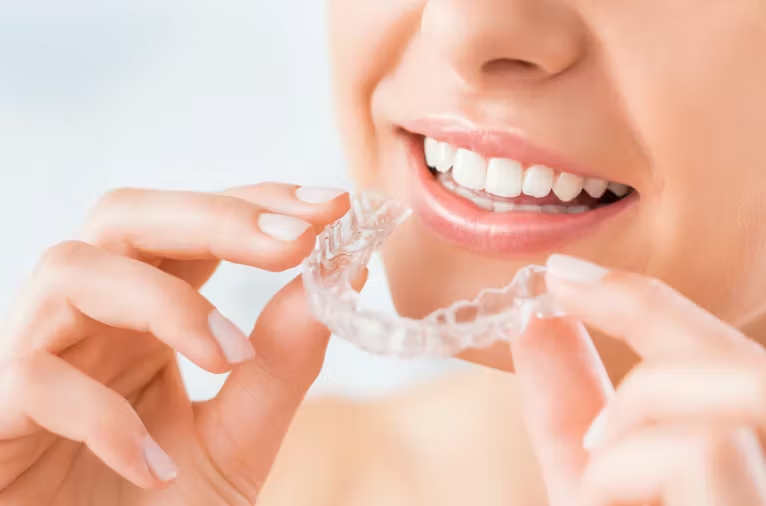
Invisible braces have become a preferred orthodontic solution for individuals seeking discreet and effective teeth alignment. Along with comfort and aesthetics, many patients also evaluate factors such as clear aligners cost in Singapore when deciding on a treatment plan. While invisible braces offer flexibility and convenience, maintaining proper oral hygiene throughout treatment remains essential to protect teeth, gums, and overall oral health. A consistent hygiene routine ensures aligners remain clear, teeth stay healthy, and treatment progresses as planned.
1. Consistent Brushing After Meals
Brushing after every meal is one of the most important practices for individuals wearing invisible braces. Since aligners sit directly over teeth, any remaining food particles can become trapped against enamel, increasing the risk of decay. Brushing thoroughly removes plaque buildup and helps maintain a clean oral environment throughout the day. Using a soft-bristled toothbrush ensures effective cleaning without damaging enamel or irritating gums. Fluoride toothpaste strengthens tooth enamel and offers additional protection against cavities. Making brushing after meals a habit plays a significant role in preserving oral hygiene during aligner treatment.
2. Daily Flossing for Complete Cleaning
Flossing is essential for removing plaque and debris from areas that toothbrushes cannot reach. Invisible braces do not eliminate the need for flossing, as food particles can still lodge between teeth and near the gum line. Daily flossing helps prevent gum disease, reduces inflammation, and supports overall oral health. Patients should floss gently but thoroughly, ensuring each tooth surface is cleaned. Flossing tools such as interdental brushes or floss threaders can assist those who find traditional floss challenging. Maintaining a consistent flossing routine complements brushing and keeps teeth and gums healthy throughout treatment.
3. Proper Cleaning of Aligners
Cleaning aligners is just as important as cleaning teeth. Aligners should be rinsed immediately after removal to prevent saliva and bacteria from drying on their surface. Gentle brushing with a soft toothbrush and lukewarm water helps remove buildup without scratching the aligner material. Specialized aligner cleaning solutions can also be used periodically to maintain clarity and freshness. Avoiding harsh toothpaste or hot water prevents warping and damage. Keeping aligners clean ensures they remain comfortable, transparent, and hygienic throughout the treatment duration.
4. Mindful Eating and Drinking Habits
Eating habits play a direct role in maintaining oral hygiene during invisible braces treatment. Aligners should always be removed before eating to prevent food from becoming trapped and causing bacterial growth. Sugary and acidic foods can weaken enamel if residue remains on teeth, making proper cleaning essential after meals. Drinking water after eating helps wash away particles when brushing is not immediately possible. Being mindful of dietary choices supports healthier teeth and reduces the risk of cavities or staining during treatment.
5. Hydration to Support Oral Health
Staying hydrated is an often-overlooked aspect of oral hygiene. Adequate water intake promotes saliva production, which naturally cleanses the mouth and neutralizes acids. Dry mouth can increase the risk of plaque buildup and bacterial growth, particularly when wearing aligners for extended periods. Drinking water regularly helps maintain moisture levels and flushes away debris. Rinsing the mouth with water after meals or beverages further supports cleanliness. Proper hydration contributes to a balanced oral environment and complements daily hygiene practices.
6. Regular Professional Dental Visits
Routine dental visits remain essential during invisible braces treatment. Professional cleanings remove plaque and tartar that daily brushing and flossing may miss. Dentists and orthodontists can monitor oral health, identify early signs of decay or gum issues, and provide guidance tailored to aligner wearers. Regular check-ups ensure treatment progresses safely and effectively. These visits also allow professionals to evaluate hygiene practices and recommend adjustments if needed. Maintaining scheduled appointments supports long-term oral health and treatment success.
7. Selecting Appropriate Oral Care Products
Using the right oral care products enhances hygiene during invisible braces treatment. Soft-bristled toothbrushes protect enamel while providing effective cleaning. Non-abrasive toothpaste helps prevent scratches on aligners and reduces wear on teeth. Fluoride mouth rinses offer additional protection against cavities and strengthen enamel. Patients should avoid products that may stain or damage aligners. Selecting appropriate oral care tools ensures teeth and aligners remain in optimal condition throughout the orthodontic journey.
8. Monitoring Aligner Condition Regularly
Aligners should be inspected regularly for cracks, warping, or discoloration. Damaged aligners may not fit properly, affecting tooth movement and hygiene. Storing aligners in a protective case when not in use prevents contamination and accidental damage. Patients should avoid habits such as chewing on aligners, which can compromise their integrity. Addressing any damage promptly by consulting an orthodontic professional helps maintain treatment effectiveness and oral hygiene.
9. Understanding Treatment Value and Maintenance
Maintaining proper hygiene also helps patients better understand the overall value of their orthodontic investment. Consistent care supports treatment efficiency and reduces the likelihood of additional dental procedures. Patients evaluating treatment options often consider factors such as clear aligners cost in Singapore, making hygiene an important component of long-term value. Well-maintained aligners and healthy teeth contribute to predictable results and a smoother treatment experience. Good hygiene habits protect both oral health and treatment outcomes.
10. Balanced Nutrition for Strong Teeth
Nutrition plays a key role in oral health during invisible braces treatment. A diet rich in calcium, vitamins, and minerals supports strong enamel and healthy gums. Limiting sugary snacks and acidic foods reduces the risk of cavities and enamel erosion. Fresh fruits and vegetables encourage saliva production and naturally cleanse teeth. Maintaining a balanced diet complements hygiene routines and promotes overall dental wellness throughout treatment.
Conclusion
Maintaining oral hygiene with invisible braces requires consistency, awareness, and informed habits. Proper brushing, flossing, aligner cleaning, hydration, and professional care work together to protect teeth and gums while supporting effective orthodontic progress. Even for individuals considering cheap aligners, maintaining strict hygiene standards remains essential to ensure safe, effective, and lasting results.
For those seeking professional guidance and structured orthodontic care in Singapore, Bracesaurus provides expert-led treatment plans designed to support both dental health and confident smiles. With a focus on patient education and long-term outcomes, Bracesaurus helps individuals maintain excellent oral hygiene while achieving successful alignment results.
